


Almost everything has changed in ten years of war: weapons, tactics, technology. What seemed new in 2015 is now history, and drones are increasingly determining the course of battles.
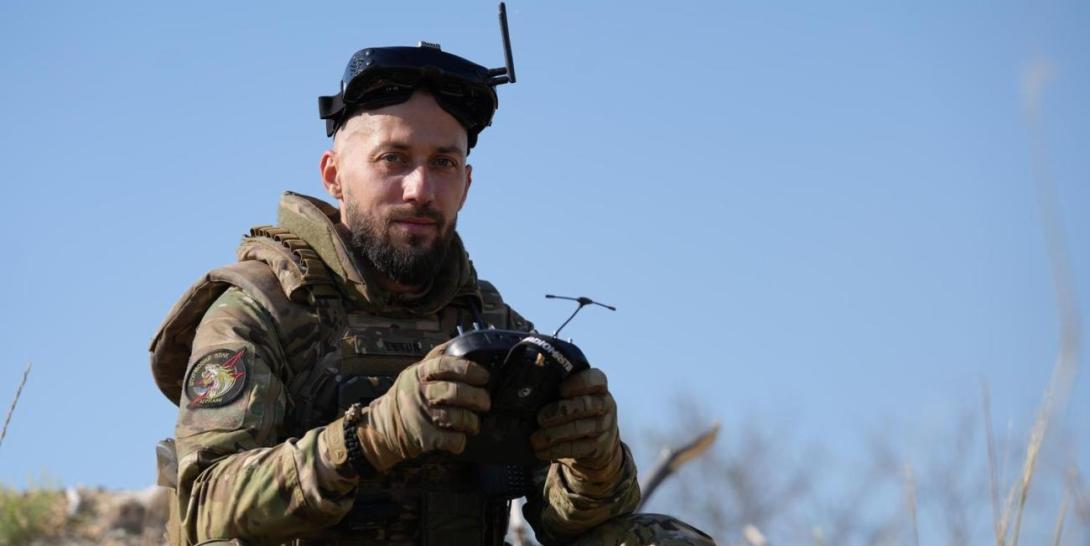
Vitaliy Borovsky, a resident of Seversk-Don, has been on this path almost since the beginning of the war. In 2014, he joined the volunteer battalion "Luhansk-1", later served in a special police unit, and is now a senior police lieutenant, a UAV operator of the "Tsunami" assault regiment of the "Lyut" Joint Assault Brigade of the National Police of Ukraine. Behind his shoulders are battles for Rubizhne, Bakhmut, Lyman, Klischiivka, Chasiv Yar, Vovchansk and dozens of other settlements. He was wounded several times, and for his service he was awarded the Order "For Courage" and the distinctions "Cross of the Ground Forces" and "Silver Cross".
"The first lesson is to destroy the enemy as much as possible"
- Tell us a little about yourself. How did you come to serve in the police force? What motivated you then?
- I was motivated primarily by the desire to further liberate our Luhansk region. I decided that I couldn't sit at home, but had to help my country.
- The police had nothing to do with this?
- No, and when I came to serve, I didn't know that it was a police battalion. When I was already brought to the training center, I saw that it was subordinate to the Ministry of Internal Affairs. A year later I was transferred to the Special Purpose Police Battalion (SPB), where there was a separate reconnaissance platoon. Counter-sabotage activities. It was close to me, because at that time I had already completed training as a UAV operator. I was engaged in reconnaissance even then on a primitive plane, but still we monitored landings, found enemy mortars, enemy positions. I did this during the ATO, and later the Joint Forces Operation. Then the military already had their own scouts, and they began to involve me less. And purely police work began. We intercepted contraband that was either coming from occupied Luhansk or going to it. We worked in Stanytsia Luhanska, Shchasta.
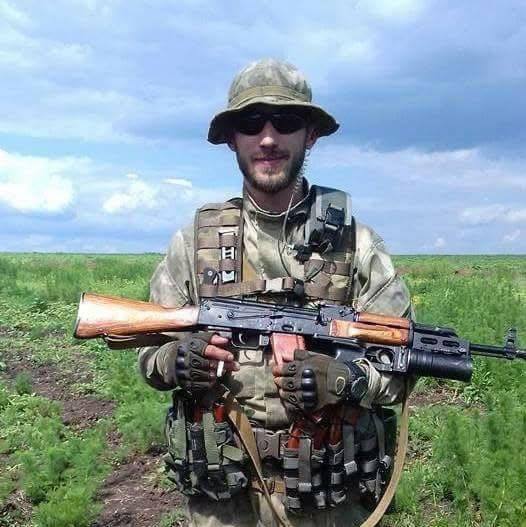
Vitaly Borovsky, 2015
- What experience gained then helps you today?
- We learned many processes. They organized all kinds of training for us, attracted foreigners. We stormed, flew. It was really interesting and informative. This is a valuable experience.
These skills were very helpful in 2022, when the full-scale invasion began. We, in a combined detachment of the BPOP and the National Guard, met the enemy in Rubizhne. I remember how I got surrounded there with another fighter. We fought our way through a kilometer. Thank God, we got out normally, and continued to clean up. But during the retreat to the Pipe Plant, we were covered by the Grad system - they fired eight cartridges at our positions. Already on the territory of the plant, we established ourselves.
- What lesson from serving in the special forces do you remember most often?
- The most important lesson is to never go anywhere without communication. If you don't have a radio, it can end badly. Now I have it with me all the time when performing any task.
Another lesson is that you need to destroy the enemy as much as possible.
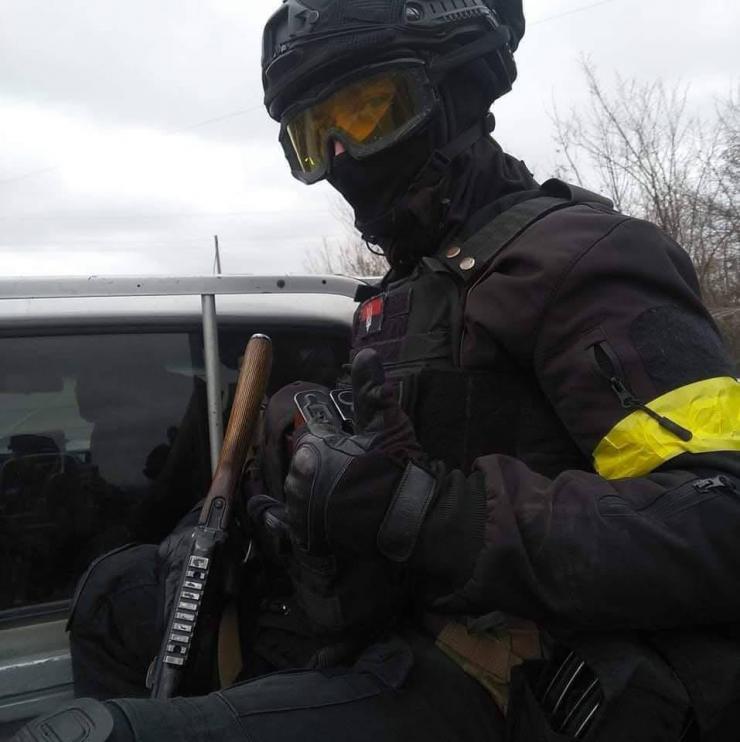
Vitaliy Borovsky. March 2022, Luhansk region
- You know, I often hear about this lesson in conversations. It seems like I didn't manage to take advantage of this opportunity 100%.
- In 2022, we had a worse situation, there was a lack of weapons and support. For example, at the beginning, there was only one mortar left in Rubizhne after all the artillery in Lysychansk was bombed. And the enemy had strong weapons. During the first landing in Rubizhne, a minute after we got out of the car, a mortar fired at us, which was being corrected by the Orlan. We were heavily covered by mortars, but we still reached the National Guard positions and established ourselves there.
On March 13, we were conducting a sweep near the city police station. Good people gave us a UAV, a small, simple Mavic, but it helped a lot at that time, because I could track the approaches and arrivals of equipment. Because for the first time, two tanks drove up to our position and started to deliver them at close range. And we even had at least a grenade with us. Then, during the sweep, our guys captured four enemy soldiers. Two were Russians and two separatists from our region. During reconnaissance, when the guys were leaving, I was covered with a "Grad" because they had calculated the operator's work location. About seven meters from me, a "Grad" shell exploded. I was carried away, twisted my left leg. I could barely stand up then. I realized that my leg was not working. I leaned on the machine gun, hobbled to pick up the drone, because it was the only one and very important, and the prisoner and I returned to the base. Then somehow I went on 2 more missions. Later I realized that I had a severe concussion and that I could barely walk because of my injuries. And the commander decided to evacuate me to the Dnieper. I was treated and recuperated for about 3 months until my leg healed.
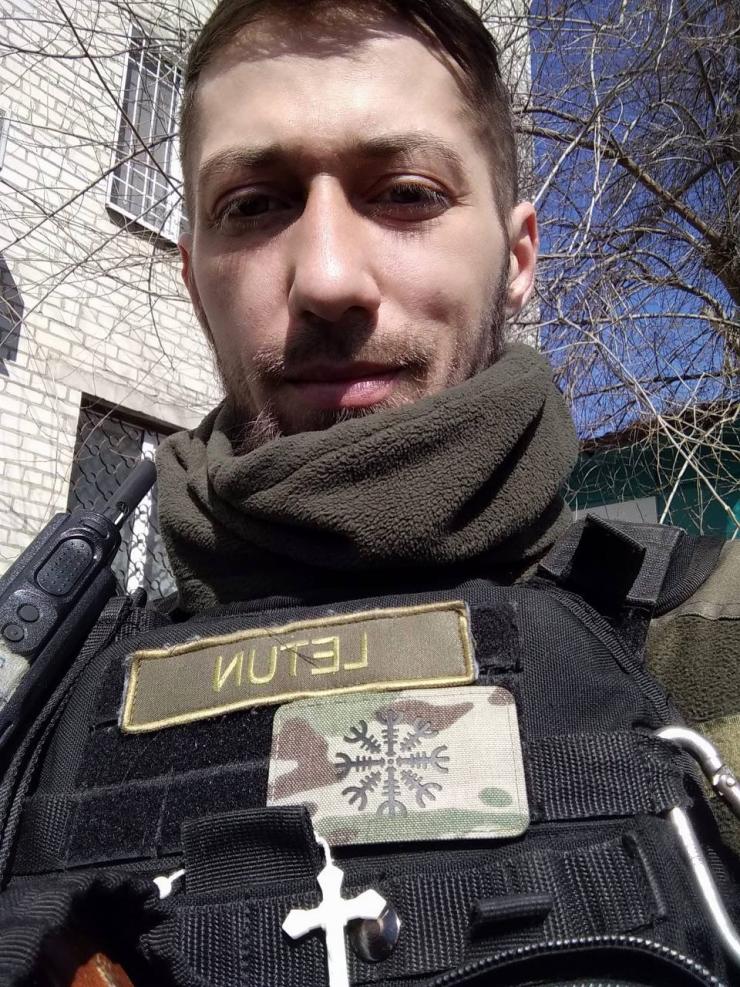
Vitaliy Borovsky. March 2022, Luhansk region
- Please tell me how you ended up in Rubizhne. Because the unit was stationed in Siverskodonetsk.
- Initially, we worked with the 79th brigade on the way to Shchedryshchevo, holding positions with the military. The remaining groups operated in other areas of the city.
Then the group commander suggested that we go on an assault together with the National Guard. And so we ended up in Rubizhne. What to expect here if the enemy can be encountered there too.
- You have seen war in different periods. How do you think war today differs from the one you witnessed in 2015? When did you realize that this war was different?
- From the first days, when the enemy approached Siverskodonetsk and began shelling with mortars. That is, in a couple of days the enemy covered a considerable distance. There was a very good fortified area near Bilovodsk, how they didn't take it and give the command to hold it there - I don't know. And on the first day, when a bomb flew through the airport, it was also quite noticeable. The crater was huge at the point of arrival.
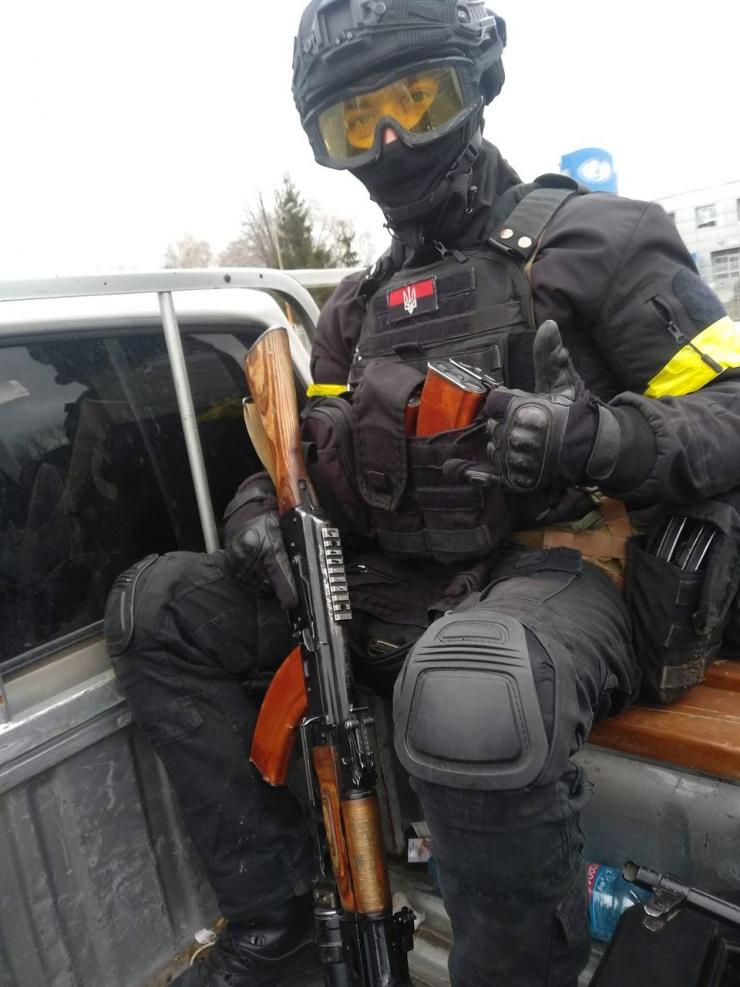
Vitaly Borovsky
- What battles in Luhansk region were most memorable?
- After that, I no longer participated in battles in the Luhansk region. When I returned after being wounded, our guys were based in Lysychansk. I was going there and on the way, the battalion commander stopped the column and turned it towards Bakhmut. Therefore, I never got to the Luhansk region again.
- Were the battles in the Donetsk region different? I have repeatedly heard that it was better fortified.
- Yes, the region was more prepared. There was artillery support, reconnaissance. There was communication between all units. Because in Luhansk region there was no normal communication, the same starlinks. And without this there is no coordinated work between units. In Donetsk region we had specific tasks. In Bakhmut we worked together with the SBU. We cleared Lyman after its liberation. I remember how in Yampol they found a separatist from Lutuhyne in the basement.
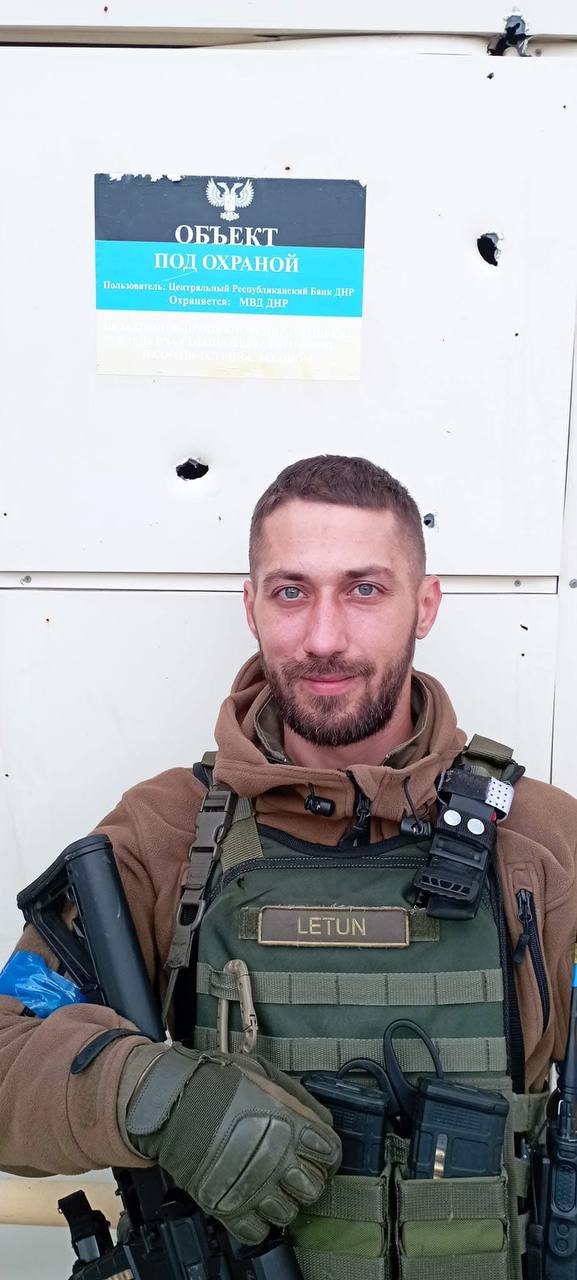
Vitaly Borovsky. Lyman
- What impression did they make on you? Were they people who fought consciously?
- They were consciously going. They were confident in their victory. During the conversation, they told us that our units were surrounded. We say - look, what kind of environment is there if we took you here calmly?
During the assault operations, I watched them a lot. They were clearly under something. Already wounded, but they crawled forward until they finally fell. It was the separatists who were there in large numbers in 2022-2023, and later there were only a few of them left.
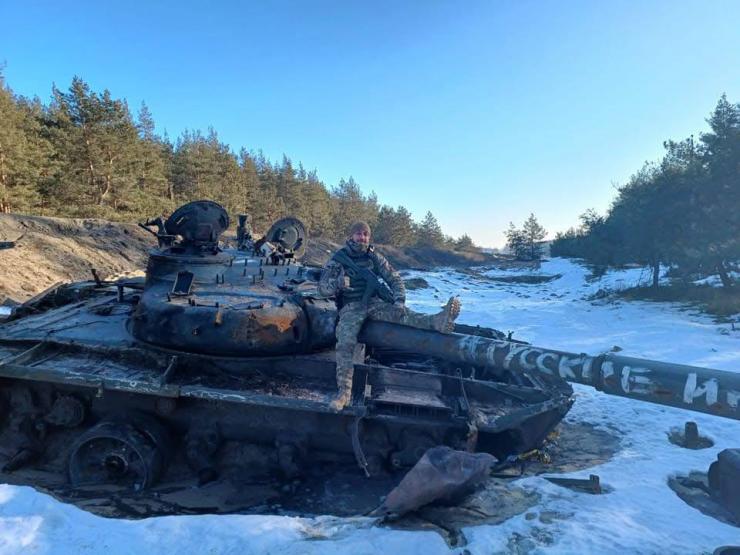
Vitaly Borovsky. Kupyansk
- Then there was the Kharkiv region?
- Yes, they were there too. It was the end of 2022 — the beginning of 2023. It was the last checkpoint towards Svatovo. They were engaged in identifying enemy elements.
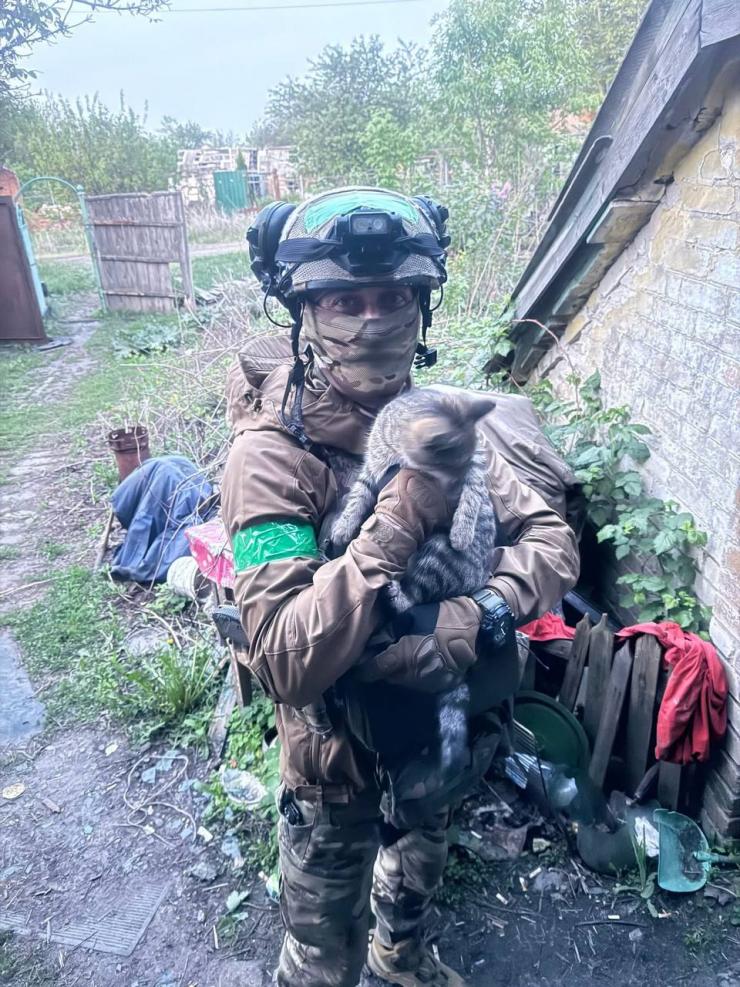
Vitaly Borovsky. Volchansk
- Later you ended up in the Tsunami regiment. How did that happen?
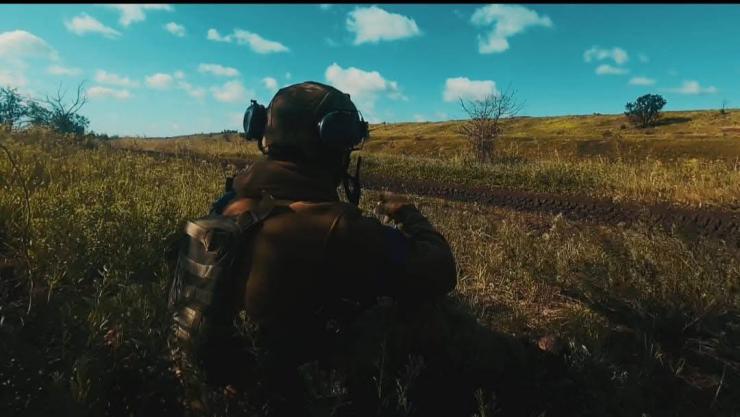
- The commander of the Tsunami assault regiment, Oleksandr Gostishchev, arrived in Kupyansk and offered to join. Since I had experience with UAVs, I first got into a reconnaissance platoon, then a company was created from it. In July 2023, we went to the Donetsk region to Klishchiivka. The task was to liberate it. In 2 months, we successfully recaptured it together with the 80th brigade and other units of the Armed Forces of Ukraine.
- What was the most memorable thing about those events?
- This was the first significant achievement in the new unit. However, it was also the first losses. We have been in the Donetsk region for three years. Now in the Kostyantynivka direction. There are a lot of enemy forces there. They are filling up with meat and trying to advance in this way.
Vitaliy Borovsky. Klishchiivka
"Drones have changed the rules of the game"
- You have seen firsthand how war is changing. What changes do you consider to be the most noticeable?
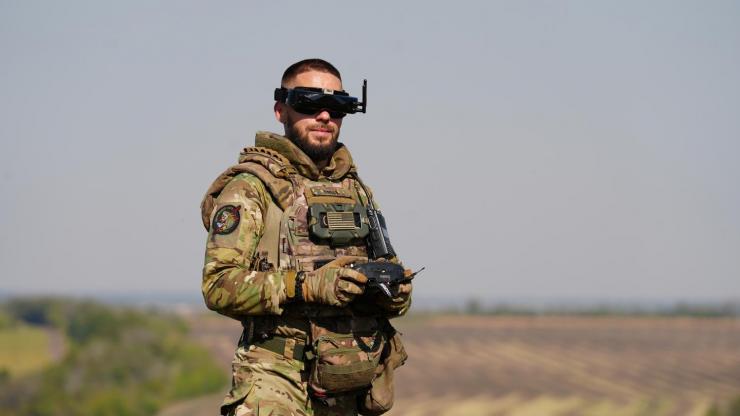
- This is, firstly, the development of FPV drones. Secondly, heavy bombers appeared. Heavy Shot, Vampire went very cool. They perform so many tasks - from delivering provisions to collapsing enemy positions. Of course, the FPV drones work first, then the "big friend" comes in, works on the target, and then we use fiber optics, fly into the building - and off we go (smiles, - ed.).
Our UAVs are at a very high level. They don't stand still. As soon as something new appears, we try it out right away. If everything goes well, we submit applications for purchase.
Vitaly Borovsky
- But there were times when the enemy had the upper hand. What about now?
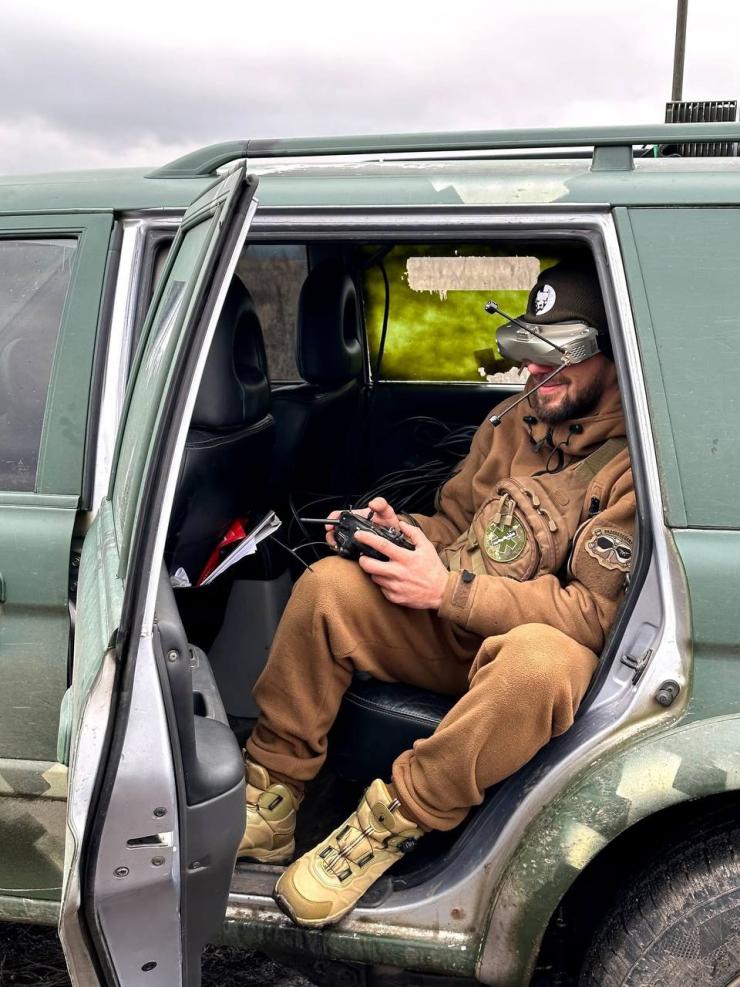
- There were times when the enemy had more of them. In fact, they still have a lot of them now. Especially when the Rubicon (a Russian military unit — ed.) comes to work in the sector, logistics fall, it is unrealistic to get to the position. From our extreme position, from Kostyantynivka to Druzhkivka, we had to walk 10 kilometers. And enemy drones are flying overhead all the time.
By the way, I have such an example of my own. In February I was wounded. I was lucky that I went out with a guy to get equipment to a neighboring position. We passed three houses, I hear it squeaking. It’s good that we managed to run into the house from experience. As soon as we close the door, they fly in. I was badly concussed again. But everyone survived.
Vitaly Borovsky. Pokrovsky direction
- How much have drones changed the situation on the battlefield? What new challenges have they faced?
- First, logistics. It is difficult to get to and from the position. Even under fire, it is easier to stay under KABs. Recently, we moved positions. Of the two ABMs (armored combat vehicles — ed.) that we used for this, neither one reached it. Fortunately, one drove off under its own power. The other was shot down by an enemy FPV drone. The crew, thank God, managed to move away. Then the vehicle was destroyed by two more hits. But it was already unrealistic to drive in. We had to go on foot.
- How have the work of infantry, reconnaissance, and assault groups changed after the mass use of drones?
- In a sense, it is easier, for example, for infantry on the extreme line to hold a position. On the other hand, it is not – because enemy drones are working on them. We have tanks, but we do not use them, because it is unrealistic to reach them – it is one-way.
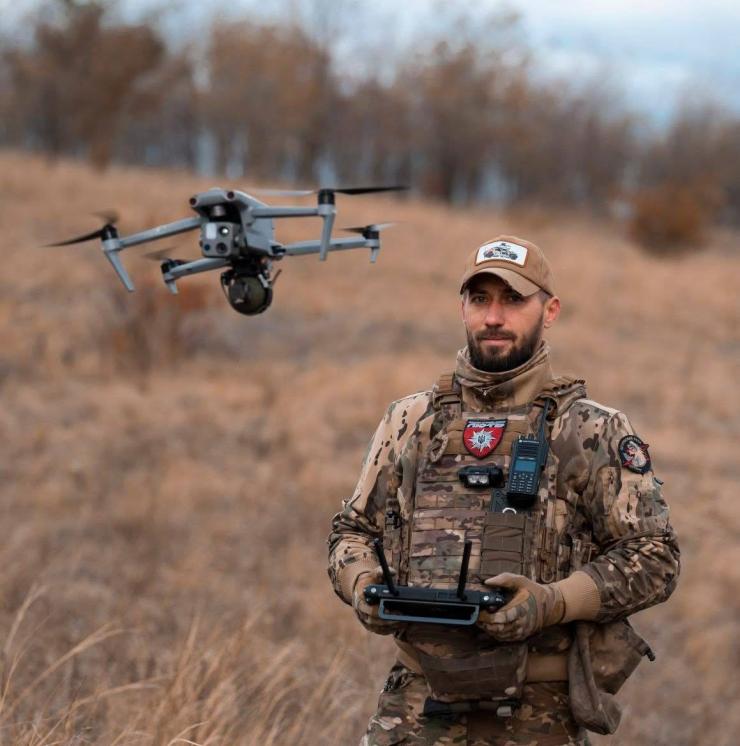
The same artillery: the enemy has long-range reconnaissance. They have high-quality observation. If they see a shot from our gun, they immediately fly there. The "Lightnings" (a Russian aircraft-type strike drone - ed.) are the same. I wouldn't say that this is a very effective thing, but sometimes it flies where it needs to be.
Vitaly Borovsky
- What equipment have drones actually displaced from the battlefield?
- Almost all of them. But still, the same armored personnel carriers and so on are used for evacuation or transportation to some distance to the front line. But it is already limited. On New Year's Eve, we barely managed to leave the position. We were supposed to do it earlier, but we stayed there for six days because the weather was bad. A lot of FPV drones were working, the position had already been blown up by artillery. I have two wounded. The leadership gave permission for evacuation, and I was promised new fighters. On December 31, I went up from the basement to give a report, flew straight to the house. I don't know how I didn't get shell-shocked. Maybe I'm used to it and don't feel it? I say - well, that's it, there's no property, we have to leave, the position is destroyed. It was lucky that it snowed for 10 minutes and our ABM flew in. Before that, we had to walk about a kilometer. I dragged the guys. They were getting tired, because it's hard in the snow, and also the equipment. That's why armor saves. You sit down, pray, and drive.
So far I've been lucky, but in reality, it's getting harder and harder every day. It's a 50/50 chance of getting to Kostyantynivka on a plane.
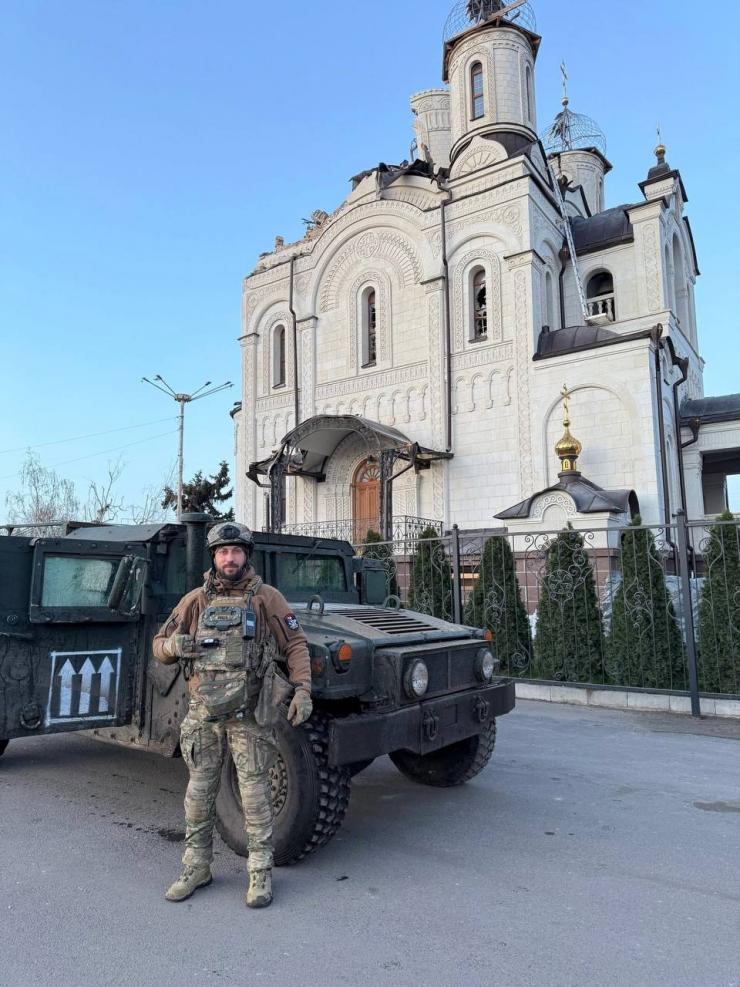
Vitaliy Borovsky. Kostyantynivka
- Today, training actually takes place on the battlefield?
- We have already created a UAV battalion, we are expanding. We will include more medium-range aviation to cover the rear. We are developing, there is supply from the state.
As for technologies, we test everything right away on the front line. We have been in positions for three years. Everything new that comes in, we go to the training ground and master. We see whether the equipment works or not. If everything is good, we bring it to the positions.
We are now training new people. Many soldiers join us after being wounded. Because, despite everything, they are ready to perform combat missions.
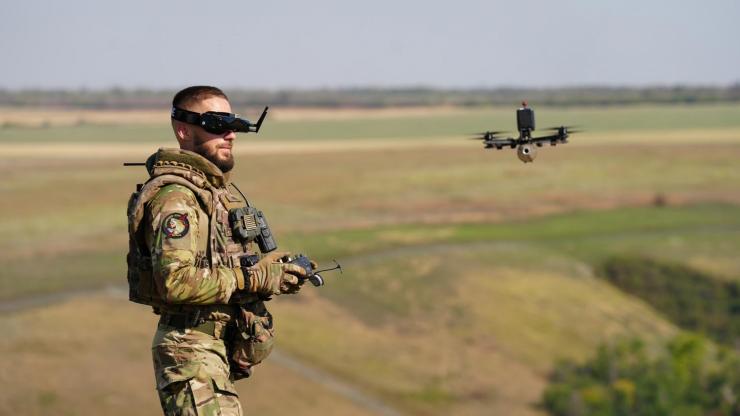
Vitaly Borovsky
- What is more important for success on the front today: people, equipment or technology?
- Of course, we need more people. Because the more there are, the more positions, the more options to detect and destroy the enemy. Because equipment can be purchased, but people can't. In addition, fighters are discharged from the ranks due to injuries. And they need to be replaced.
- It is often said that with the development of UAVs, the "era of gamers" has come. But you yourself say that you have to walk 10 kilometers with equipment. What should a fighter be like today?
- Today, the main thing is that a person is motivated. We can teach ourselves. We have our own instructors and a well-established training system. Also, our fighters, for example, underwent training in the UK.
It is desirable that a person is physically fit. But this can always be improved if desired. Of course, it is necessary, because situations are different. Especially now, when you can't get to the positions.
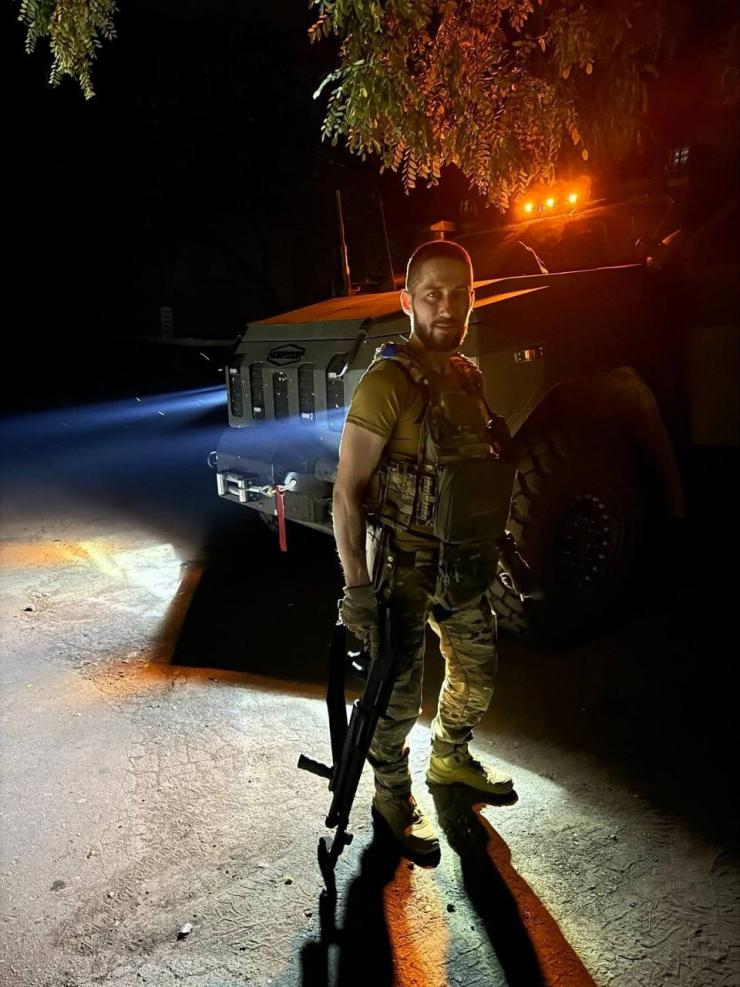
Vitaly Borovsky. Pokrovsky direction
- How do you maintain this physical condition when you spend so much time in positions?
- Walking 10 kilometers in gear, with weapons and equipment is good training (laughs, — ed.). However, it is better to train before that.
"Gamers will stay at home, and robots will work on the battlefield"
- Do you see a future where UAV operators will become a common specialty for police units? What tasks can drones effectively perform in the law enforcement sector?
- Of course, this will be applied in civilian life. The same public order security - it's not a patrolman walking down the street, but a drone flying and detecting illegal actions, sending a crew there. Because these are eyes that see everything from the sky.
- Honduras recently announced its intention to purchase Ukrainian drones to fight drug cartels. Can Ukrainian experience be useful in combating organized crime?
- First, as in combat operations, reconnaissance is carried out. You don't need to send a person to a dangerous area. If you need to eliminate intruders, you can also use a drone. And you don't need to risk the lives of law enforcement officers. Once in Lysychansk there was a threat of using grenades, we flew a drone around the windows, found where the offender was hiding. And there was an understanding of how to storm this house.
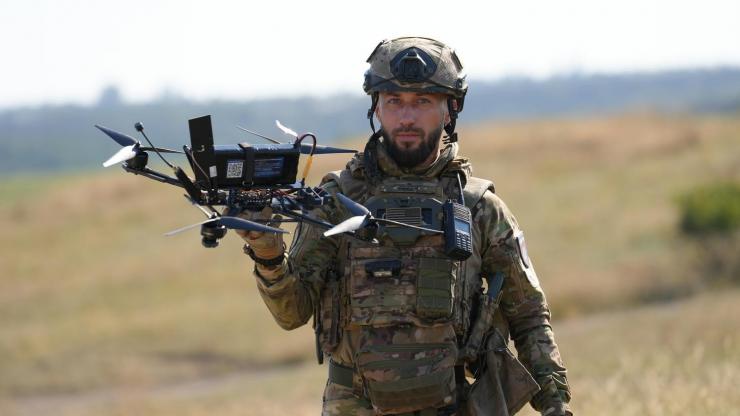
Vitaly Borovsky
- What risks arise if such technologies fall into the hands of criminals?
- It is clear that a drone, especially an FPV, can already be bought and assembled by yourself. There is nothing complicated about it. And using it for other than its intended purpose. It is the same weapon. This cannot be prevented. They want to introduce registration of drones, this may help in the future.
- You started working with UAVs long before they became one of the main tools of this war. What do you think war will look like in another ten years?
- Robots will be running around the landings. Robot assaulters. The Chinese are already doing this. The gamer will sit at home, and robots will work on the battlefield, on another part of the planet.
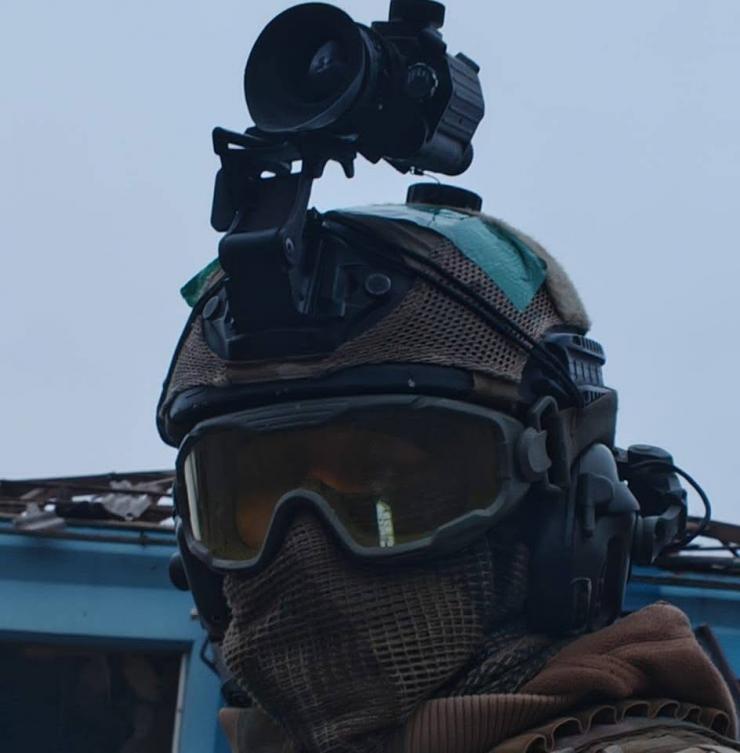
Vitaly Borovsky. Pokrovsky direction
- What are you dreaming about today?
- So that the war ends. And preferably with the territories returned. In principle, if the tactics work by cutting off the enemy's logistics, then something might work. Let's start with Crimea and move on. However, everything depends not only on events on the battlefield, but also on politicians and negotiations. We'll see.
But I want to return and establish life in the liberated territories. Because this is our land. And I want to live, see the world, and not just settle down.
Yana Mostova